 English
 français
Digitalization of Public Administration in Africa
- By COGES Search Institute
- July 30, 2025
- Last updated Sept. 7, 2026, 4:58 a.m.
Facing dynamic demographics and infrastructure challenges, Africa is reinventing public services through digital solutions. This transformation improves access to rights, fights corruption, and empowers connected citizens.
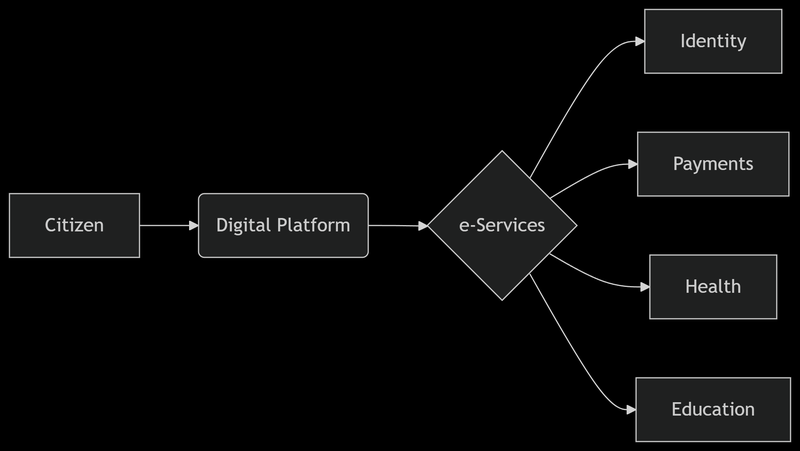
Transformation Pillars
- e-Government Portals
- Unified platforms: Tax payments, ID renewals, school registrations online.
- Example: Kenya's eCitizen (500+ mobile-accessible services).
- Impact: 70% faster processing in 15 countries.
- Digital Identity
- Biometric systems: Electronic IDs linked to bank/health accounts.
- Trailblazer: Nigeria's NIN (biometrics for 200M citizens).
- Public FinTech
- Mobile payments:
- Local taxes via USSD in offline areas.
- Direct farming subsidies via e-wallets (Togo Cash).
- Transparency: Blockchain tracking of public funds.
- Mobile payments:
- Connected Healthcare
- Digitized medical records:
- SMS epidemic alerts (mHealth in Senegal).
- Rural telemedicine (Mali, Niger).
- Digitized medical records:
Challenges & Breakthrough Solutions
| Challenge | Innovation | Emerging Country |
|---|---|---|
| Digital divide | Solar-powered cyber kiosks | Burkina Faso |
| Illiteracy | Voice interfaces (local languages) | Ghana, Uganda |
| Cybersecurity | Regional sovereign clouds | Rwanda (G-Cloud) |
Conclusion
Africa's digital leap is creating a new governance model: agile, inclusive, and human-centered. These advances position the continent as a global lab for public innovation.
🌍 Detailed case study: "Africa's Digital Transformation: 10 Flagship Projects" [Download PDF]
Keywords
#eGovAfrica #DigitalID #PublicFinTech #mHealth #InclusiveInnovation
Category
Tag

COGES Search Institute
COGES SEARCH INSTITUTE, the research branch of COGES Group, sheds light on strategic challenges through foresight intelligence and rigorous field studies. Specializing in analyzing megatrends (climate, AI, geopolitics) and scenario modeling, it produces actionable knowledge to anticipate disruptions. Its multidisciplinary collaborations (researchers, institutions) and targeted reports make it an essential think tank for decision-makers.